
Confirmed: TIFF 2026 Reactions began taking shape during the first stretch of the Toronto International Film Festival, which runs from September 10 to September 20, 2026. As of September 15, the useful story is not a single breakout narrative, but a set of early signals: room energy, review response, actor attention, public access concerns, and the question of how Toronto applause can travel into later theatrical and awards campaigns. That makes this phase especially revealing for distributors, programmers, and emerging filmmakers watching how public enthusiasm turns into release value.
What TIFF 2026 Reactions Measure Early
TIFF 2026 Reactions And Audience Evidence
Confirmed: Toronto’s early public screenings still carry cultural weight because they test a film in front of an audience that includes press, industry attendees, local viewers, and visitors who treat the festival as a first encounter with fall releases. TIFF 2026 Reactions are therefore not the same as final box-office demand or awards certainty. They are a first public stress test. A standing ovation, a heavily discussed performance, or a pricing complaint can each reveal something different about how a film may meet viewers beyond the festival.
Confirmed: One of the clearest early examples came with I Play Rocky, which had its world premiere on September 12, 2026. Peter Farrelly’s film, described in the research as an origin story tied to Stallone’s Rocky, received a rousing standing ovation at TIFF, according to a CityNews report. The signal is easy to read at one level: nostalgia, sports-movie mythology, and a familiar Hollywood origin frame can still create a charged room. The more cautious reading is that applause does not automatically settle how a film will perform after festival conditions fade.
Audience Warmth Versus Later Durability
Market analysis: Festival rooms tend to reward immediacy. Viewers have waited for a premiere, the creative team may be present, and the social energy of the event can intensify response. For a distributor, the release question is whether that first emotional lift can be restaged through trailers, reviews, interviews, and platforming in selected cities. TIFF 2026 Reactions can help identify that possibility, but they cannot prove it on their own. A room can cheer a film for what it represents culturally while later audiences ask more direct questions about pacing, originality, and value for money.
Opinion: The most useful audience data from Toronto is rarely the loudest moment by itself. It is the pattern around that moment: whether morning screenings draw engaged viewers, whether conversations continue after the credits, whether critics find craft value beyond sentiment, and whether the performance or premise is easy to communicate. This is where Toronto remains influential for future releases. It creates early language around a film before wider campaigns begin to repeat, refine, or reject that language.
Applause, Reviews, And Actor-Centered Momentum
Performance Praise As A Release Tool
Reviewed: Misty Green, written and directed by Chris Rock, premiered during the September 12-13 window in the research notes. A World of Reel review note reported a 73 Metacritic standing and singled out Rosalind Eleazar’s lead performance for praise. That combination matters because a performance can become the clearest entry point for a film that may be harder to sell through premise alone. It gives critics, programmers, and campaign teams a focused subject: what the actor does, how the film frames that work, and whether audiences respond to the character as much as the story.
Market analysis: The early Toronto pattern described in the research points toward actor-centered films gaining traction even when the larger critical picture is mixed or still forming. Names cited in the research include Anthony Ippolito for I Play Rocky, Rosalind Eleazar for Misty Green, Ruth Madeley for Being Heumann, and Julianne Moore and Paul Giamatti for The Debut. This should be treated as early positioning, not a forecast of nominations. Still, the signal is clear enough: future campaigns may lean on lead performances as the bridge between festival emotion and wider audience recognition.
Why Actor-First Films Travel From Festivals
Opinion: Actor-first reception travels well because it gives audiences a human reason to care before they know the full film. That is especially useful for adult dramas, biographical stories, and independent titles that do not have franchise recognition or genre urgency. A distributor can quote reviews, cut performance-led trailers, and arrange Q&A events around craft. For emerging filmmakers, that is a reminder that character clarity is not just an artistic question. It can shape how a film is explained in crowded release periods.
Market analysis: The risk is that performance talk can narrow the film’s identity. If every response centers on one actor, the release campaign may struggle to communicate tone, social context, or visual style. The films that gain most from TIFF 2026 Reactions will likely be those that connect performance praise to a wider audience promise: a story people can describe, a conflict they can recognize, and a reason to see the film beyond awards conversation.
Pricing Pressure And Public Access
Premium Screenings And The Public Viewer
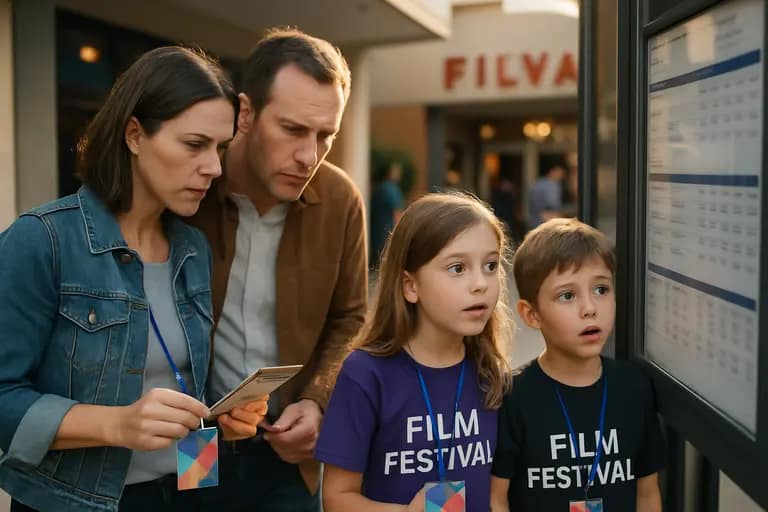
Confirmed In Research Notes: The supplied research describes complaints from some longtime TIFF attendees about higher ticket prices, especially for Premium screenings, along with concerns about reserved seating and reduced accessibility for non-industry viewers. Those concerns should not be treated as proof that Toronto has lost its public audience. They do, however, raise a practical question for future releases: if a festival’s most visible screenings become harder for ordinary viewers to access, the early audience sample may become less representative of the broader public.
Market analysis: This access question matters because Toronto’s identity has long rested on public reaction, not only industry approval. If price sensitivity grows, distributors may need to read ovations and sold seats with more care. A costly Premium screening can still produce a strong response from viewers who chose to pay more for a major event. That response is valid, but it may not predict whether more price-conscious moviegoers will buy tickets weeks later in another city.
Festival Strategy And Audience Mix
Confirmed In Research Notes: The research also states that TIFF’s 2026 lineup was broadened to reach younger and more globally minded moviegoers through independent and international titles. That strategy suggests a festival trying to hold several audiences at once: public attendees drawn to premieres, cinephiles seeking discoveries, industry observers tracking awards, and communities responding to representation on screen. The challenge is balance. A festival can expand programming ambitions while still facing pressure from ticket costs, venue logistics, and the visibility of star-led events.
Market analysis: For future releases, this means Toronto response should be sorted by audience type. A fandom-heavy premiere may reveal strong social turnout. An independent drama with steady public screenings may reveal word-of-mouth potential. An international title that draws younger viewers may show a path through campus, repertory, or curated streaming audiences. These are different signals, not competing truths. Related festival coverage on regional festival awards has shown a similar need to separate prestige markers from audience behavior. For adjacent screen-media context, check out Internet Video Magazine, which tracks how emerging viewing trends are shaping the evolution of film and video culture outside of traditional festival spaces.
Toronto International Film Festival 2026 Future Release Signals
What Distributors Can Use Carefully
Market analysis: The first release signal is that crowd-pleasing material still has power when it arrives with a clear emotional frame. I Play Rocky benefited from a recognizable cultural reference point and a premiere-room response that distributors can cite in later messaging. The second signal is that performance praise remains one of the most portable assets from a festival. Misty Green offers that case through the early attention around Rosalind Eleazar. The third signal is less celebratory but just as useful: access concerns can affect how representative a festival reaction feels when compared with later commercial audiences.
Opinion: Toronto’s value for emerging filmmakers may be clearest in this tension between room emotion and market proof. A first feature or smaller international title cannot assume that applause will solve distribution. It can, however, study what Toronto audiences respond to: legible character stakes, performers with emotional authority, and stories that give viewers something to discuss after the screening. Those elements do not guarantee a sale or a hit, but they can make a film easier to advocate for.
What Audiences Are Telling The Industry
Market analysis: Audiences are not sending one message from Toronto. They are sending several. They want event energy, but some also question price and access. They respond to familiar cultural material, but early notes also point to interest in independent and international programming. They reward actors who give films a strong center, while critics and later viewers may still test whether the surrounding film sustains that work. The most useful reading of TIFF 2026 Reactions is therefore measured rather than triumphant: Toronto has already shown which films can create heat in a room, but the future release test will be whether that heat can meet ordinary viewing conditions after September 20, 2026.