
Confirmed: regional film festivals entered the final quarter of 2026 with a new studio question hanging over their programming and acquisition conversations. On August 14, 2026, Paramount Skydance said its proposal to acquire Warner Bros. Discovery had satisfied regulatory conditions and secured clearances in nearly 70 countries, a milestone that pointed toward a combined studio with major global reach Paramount statement. Market analysis: for festivals outside the largest launchpads, the key issue is not simply corporate scale. It is whether release quotas, independent-film obligations, and theatrical windows will create more room for smaller films or make the path from festival response to public access more controlled by one larger buyer.
Regional Film Festivals Meet A Studio Release Floor
Why Regional Film Festivals Matter To The Quota Debate
Confirmed: the research record states that Paramount made a theater-owner commitment at CinemaCon on April 16, 2026, tied to a combined Paramount-WBD output target of 30 films per year for the first two years, including at least 20 wide releases. It also states that the annual target would rise in 2029 to 32 films, with 21 wide releases. Those figures matter to regional film festivals because local and mid-sized festivals often create early evidence of audience response for films that do not have the marketing scale of studio tentpoles.
Market analysis: a release floor can cut in two directions. It may push a studio toward a steady theatrical pipeline, which could keep cinemas supplied and make festival discoveries more attractive. It could also favor films that already look easier to place on large numbers of screens. The research notes define the wide-release threshold discussed by programmers as more than 2,000 screens. Many independent films that build credibility through festivals do not naturally fit that footprint. That gap between festival enthusiasm and wide-release logistics is likely to be one of the central questions for programmers, sales agents, and local exhibitors during late-2026 editions.
What Is Confirmed And What Is Market Analysis
Confirmed: the Associated Press reported that the merged entity’s consent decree requires at least four independent films per year as part of the slate AP report. Market analysis: that requirement may increase studio attention to independent titles, but it does not prove that smaller festivals will receive equal access to buyers or that more filmmaker-friendly terms will follow. A quota sets a minimum. It does not identify which films will be chosen, how rights will be structured, how much marketing support they will receive, or whether regional audience response will carry weight in acquisition decisions.
Opinion: the most useful reading is cautious. If a studio needs independent titles to satisfy a formal obligation, festivals could become more valuable as scouting grounds. Yet the cultural benefit depends on selection. Four independent films per year can represent meaningful support if the choices broaden genre, geography, authorship, and budget range. The same number can feel narrow if it concentrates attention on safer prestige projects that already have strong agency, sales, or institutional backing.
The 2026 Calendar Changes The Stakes
Late-Year Deadlines And Theatrical Windows
Confirmed: one late-year example in the research is the Yellowstone Film Festival, scheduled for October 9-11, 2026. Its submission deadline was September 18, 2026, which had already passed by September 29, 2026. That timing matters because films entering October festivals may be seeking a path that connects festival visibility with theatrical planning rather than only streaming placement.
Confirmed: the research also describes a 45-day exclusive theatrical window for qualifying films, followed by a 90-day delay before subscription streaming availability. Market analysis: if those window rules are applied in the manner described, festivals may need to think more carefully about where a film sits in its release life. A film that has already used a festival run to build regional support could become more attractive to theaters if there is a protected theatrical period. At the same time, longer waits before subscription streaming may complicate audience access for viewers who cannot attend theatrical screenings.
Audience Engagement Beyond Premiere Week
Market analysis: regional film festivals often work because they turn films into local events. Post-screening talks, filmmaker visits, community partners, and repeat audience word-of-mouth can make a modest film feel visible before a distributor commits resources. That local proof may become more relevant if a larger studio is required to keep a regular film pipeline moving. For readers interested in audience habits across film and other media, the same network includes TrueRealTV, which offers insights into engagement patterns and screen culture conversations.
Opinion: festivals should not assume that corporate consolidation automatically produces opportunity. Audience data from a packed regional screening can help a film’s case, but it is not a guarantee of acquisition. The stronger argument for festivals is cultural as much as commercial: they can document what kinds of stories generate attention outside the largest industry rooms. That evidence may be especially valuable for films rooted in place, language, or community experience.
Independent Quotas May Not Equal Indie Access
A Floor Is Not A Pipeline
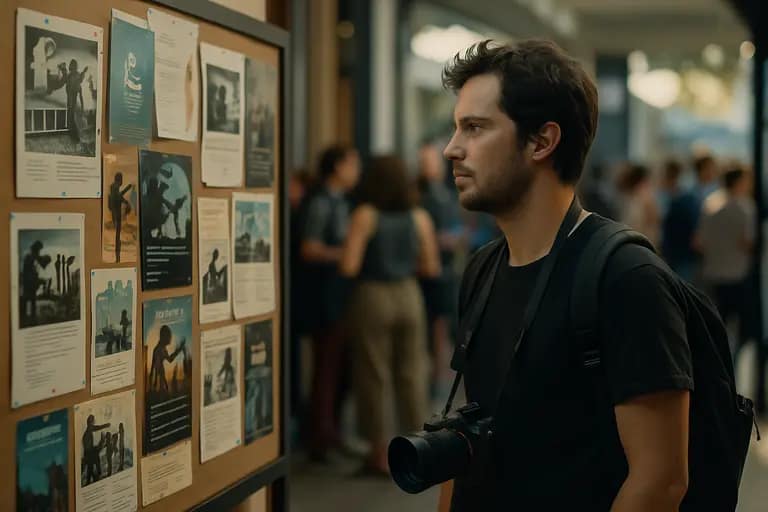
Market analysis: regional film festivals may see increased interest from major studios in acquiring independent festival titles if those titles help satisfy indie-film commitments. But the research supports that possibility, not a confirmed shift in buying behavior. The difference is significant. A festival programmer can notice more buyer curiosity without seeing completed deals. A filmmaker can receive meetings without receiving a release. A theater can benefit from a wider slate only if acquired films are actually booked in ways audiences can reach.
Confirmed: Biff Award has already examined the settlement issue through the lens of access, including the five-year limits and cultural questions attached to the obligations in Paramount-WBD indie-film duties. Opinion: the same concern applies to festivals. A formal duty can open a door, but time limits and enforcement details shape whether that door stays open long enough for artists outside established networks.
Wide Release Language Shapes Programmer Questions
Confirmed: the research states that festival programmers are watching how the wide-release requirement will be interpreted because many indie films premiere at festivals without ever reaching that scale. Market analysis: this is where regional programmers may have a useful counterpoint to studio logic. A film may not be built for 2,000 screens and still be valuable to theaters in specific cities, towns, campuses, museums, and arts centers. If the post-deal market treats wide release as the primary measure of success, the films most connected to regional audiences could be undervalued.
Opinion: a healthier outcome would treat wide release, limited theatrical release, and festival-driven exhibition as different tools rather than a single ladder. Regional screenings can support nonfiction work, first features, experimental forms, and local stories that may not scale quickly. They can also reveal audience appetite for films that a national campaign might struggle to describe in one broad pitch.
Regional Film Festivals And The 2026 Paramount-WBD Test
Market analysis: regional film festivals now sit at a practical testing point for the Paramount-WBD deal. The confirmed regulatory progress and the reported release commitments suggest that studio output strategy is being formalized. The less certain question is whether that strategy will improve access for independent films or simply absorb a small number of festival titles into a much larger corporate schedule.
Opinion: the clearest measure in late 2026 will not be the language of the deal alone. It will be whether films that find audiences at places such as Yellowstone and other regional events can move into theatrical release with visible support, fair timing, and enough marketing to reach viewers beyond the festival room. If the independent-film requirement leads to a broader range of acquisitions, regional festivals could gain new influence. If the requirement is satisfied narrowly, the cultural effect may be modest.
Market analysis: the 2026 editions should therefore be read less as routine calendar stops and more as evidence-gathering spaces. Programmers can show which films connect with audiences. Exhibitors can identify titles that might work after a festival launch. Filmmakers can use regional response to argue for theatrical value. The Paramount-WBD structure may shape the market around them, but festivals still provide something a merger cannot manufacture on its own: direct audience reaction to films that have not yet been sorted by scale.