
Confirmed: The 64th New York Film Festival opened on September 25, 2026, and is scheduled to run through October 12, 2026. The useful question around NYFF Audience Reactions is not whether one audience likes one kind of film. It is how several audience groups are reading a lineup that combines marquee titles, new directors, world cinema, experimental work, and films already carrying festival attention. Confirmed: Film at Lincoln Center says the full 2026 festival includes 119 films from 46 countries and regions across 18 days, with the Currents section made up of 15 features, five world premieres, and 28 short- and medium-length works from 24 countries and regions Film at Lincoln Center. Market analysis: that scale gives audiences more than a prestige sampler; it gives them a program built around competing expectations.
NYFF Audience Reactions And The Lineup Shift
Why NYFF Audience Reactions Favor Range
Confirmed: The Main Slate was announced on August 5, 2026, and reporting on the announcement described 34 films from 31 countries, with James Gray’s Paper Tiger as the opening-night selection and Ava DuVernay’s For My People as the closing-night selection The Washington Post. Confirmed: the same report quoted artistic director Dennis Lim saying a cross section of the lineup could offer “a vivid picture of what our present looks, sounds, and feels like.” Reviewed: that framing matters because it moves the festival away from a single prestige lane and toward a wider cultural function. The program is being presented as a way to read the present through cinema, not simply as a calendar of red-carpet premieres.
Market analysis: the audience shift sits in the tension between recognition and surprise. A festivalgoer may come to NYFF because a film arrived from Cannes, Venice, or Berlin, yet the same viewer may also seek work without settled critical framing. That is a different pattern from a simple awards-first habit. It suggests a more active audience, one that wants to compare established festival conversation with fresh discovery inside the same program. For a related awards reading of the Main Slate, the site’s NYFF Main Slate analysis tracks how confirmed selections can create cautious signals without pretending that festival placement equals later prizes.
Opinion: the most interesting viewer expectation here is not novelty for its own sake. It is trust. NYFF asks its audience to accept that a film does not need immediate consensus, celebrity attention, or a familiar commercial frame to matter. That trust is easier to build when the lineup also includes recognizable names and titles with previous festival exposure. Those NYFF Audience Reactions point toward a public that wants both orientation and risk: enough context to choose, but enough uncertainty for discovery to feel real.
Discovery, Prestige, And Access Pressure
Confirmed Prestige Signals
Confirmed: The 2026 lineup includes films positioned as major festival works and films presented as first-look opportunities. Market analysis: this mix matters because audiences often use NYFF differently from first-stop festivals. Cannes, Venice, Berlin, and Toronto can create initial noise around a title. NYFF can function as a point of reassessment, where New York critics, cinephiles, industry viewers, and committed ticket buyers test whether early attention holds up. That does not mean the festival is only reactive. It means its cultural value can come from pressure-testing the films that arrive with reputation, while giving room to those that arrive with less baggage.
Reviewed: audience preference appears to be shifting away from a clean split between “serious” cinema and accessible event cinema. The research notes name titles such as Godzilla Minus Zero and Paper Tiger alongside documentaries and experimental work, which suggests a public appetite for both scale and intimacy. Confirmed only within the provided research: this article does not have verified ticket-sales data, exit polling, or a full audience survey. The safer reading is that programming choices and media discussion indicate a desire for range, not that every audience segment is reacting in the same way.
Unconfirmed Access Friction
Unconfirmed: the research notes include user-generated complaints from earlier festival years about passholders not always securing priority screenings and pre-sales moving quickly. Because those comments come from a forum rather than an official ticketing report or verified survey, they should be treated as anecdotal. Even so, market analysis can still identify the issue as a live pressure point for festivals with high-demand screenings. If a program becomes more attractive because it offers prestige films and discovery titles, access becomes part of the audience experience, not a separate administrative matter.
Opinion: access frustration can change how viewers judge a lineup. A strong slate may create enthusiasm, but if the most discussed screenings feel out of reach, that enthusiasm can turn into a sense that the festival rewards those with the fastest access, most flexible schedules, or deepest familiarity with sales windows. That does not weaken the artistic case for the 2026 lineup. It does suggest that audience engagement is shaped by more than taste. It is also shaped by the route between desire and a seat.
Currents Shows How Taste Is Stretching
Experimental Work As A Public Offer
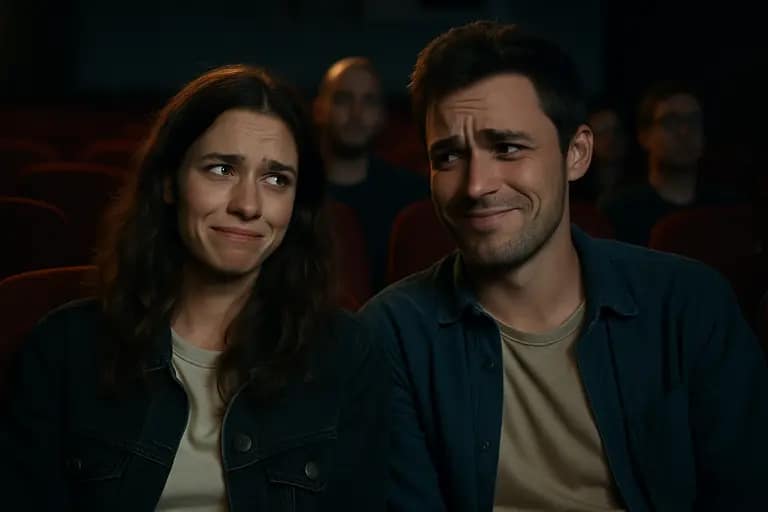
Confirmed: Currents foregrounds experimental and form-challenging cinema through features, shorts, and medium-length work drawn from a broad international field. Market analysis: the section gives NYFF a visible way to serve viewers who are less interested in consensus and more interested in cinema as a changing art form. That group may be smaller than the audience for the biggest Main Slate screenings, but its expectations can shape the festival’s identity. A festival that reserves space for difficult forms tells audiences that patience, ambiguity, and formal invention are still part of public film culture.
Reviewed: Dennis Lim’s stated position, as reflected in the research, is that NYFF does not simply aim to match what people expect or want. Instead, it tries to show what is exciting and interesting about the art form, while recognizing that the festival has different audiences with different interests. Opinion: that is a useful corrective to the idea that audience reaction should be measured only by immediate approval. A challenging selection can frustrate one viewer and reward another. The better question is whether the program creates enough points of entry for both responses to coexist.
Market analysis: Currents also speaks to a post-hype viewing habit. Some festivalgoers want to see films before they are weighed down by a consensus story. That preference is cultural as much as practical. It reflects a desire to form judgment before marketing language, awards speculation, or social-media shorthand narrows the conversation. For those interested in similar cultural analysis, SiteBob provides additional insights related to media and festivals, offering a broader understanding of cultural dynamics.
The 2026 NYFF Audience Reactions Question
Opinion: the 2026 festival shows why audience reaction at NYFF should be read with caution. Applause, chatter, sold-out demand, and critical praise can signal interest, but none of them alone proves a lasting shift in taste. Confirmed: the festival’s structure is broad, international, and split across several program identities. Reviewed: that structure supports a more layered audience model, where viewers may pursue awards contenders, political urgency, formal experimentation, and personal discovery in the same 18-day period.
Market analysis: the key shift is not that viewers have abandoned prestige or embraced obscurity. It is that many appear to want a festival that can hold both. Familiar names still help audiences make choices. Festival pedigree still matters. Yet surprise has its own value, especially when viewers feel they are encountering a film before consensus closes around it. NYFF Audience Reactions therefore reveal a public asking for curation that does more than confirm expectations. The 2026 lineup’s central audience test is whether it can keep that trust across films built for recognition, films built for risk, and films that ask viewers to meet them halfway.