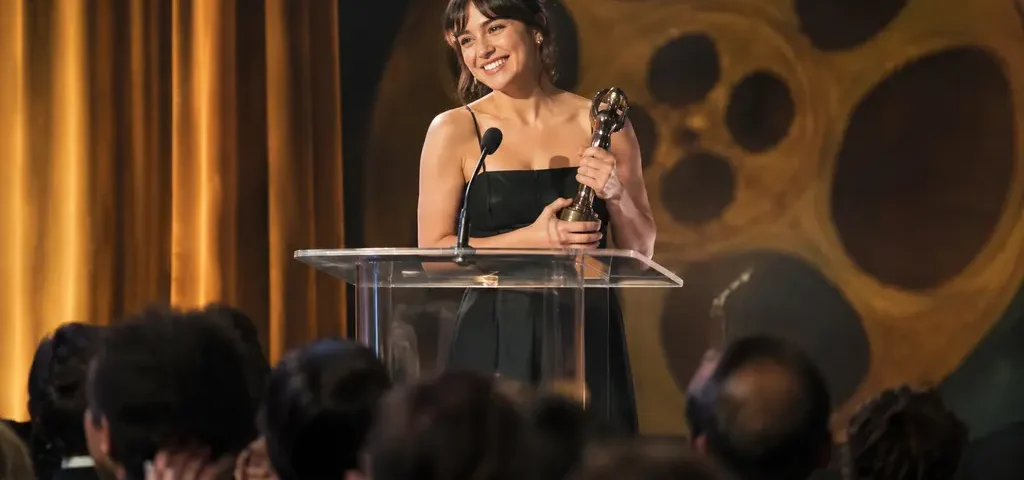
Confirmed: The 57th Nashville Film Festival took place on September 24–30, 2026, and hosted nearly 150 films from around the world, according to the official 2026 festival program. The awards have since been announced, so the results can now be read as a record of what juries and festival institutions chose to value after the screenings ended. Market analysis: the Nashville Film Festival winners point toward several connected patterns in independent cinema: regional visibility, culturally specific storytelling, genre openness, and continued interest in short-form work as a path to wider recognition.
How Nashville Film Festival Winners Framed 2026 Indie Film
Confirmed: Ramzi Bashour’s Hot Water won Best Narrative Feature, while Lev Omelchenko and Nolan Huber’s A City in the Forest won Best Documentary Feature. Those results came from the festival’s official awards announcement, which also listed feature, short, screenwriting, regional, and special award categories tied to the 57th edition’s juried outcomes award winners announcement.
Market analysis: feature winners often shape how a festival’s identity is discussed after the event. In this case, the narrative and documentary selections suggest a preference for films with distinctive points of view rather than only market-ready familiarity. The available research does not provide plot details for every winning title, so any reading of themes must stay cautious. Still, the distribution of awards across narrative, documentary, Tennessee-based work, shorts, and scripts shows that the festival did not place all cultural value in one category of independent cinema.
Confirmed Feature Winners
Confirmed: Hot Water received Best Narrative Feature. Confirmed: A City in the Forest received Best Documentary Feature. Confirmed: Richie James Follin’s Crystal Cross stood out in the Best New Directors Feature category. These three results matter because they separate recognition by form and career stage. A narrative feature win acknowledges completed dramatic work; a documentary feature win points to nonfiction craft; a new directors award gives visibility to early-career authorship.
Opinion: that separation is useful for audiences. Independent film discovery can be difficult when every title is measured by the same broad success marker. Category-specific awards help viewers understand whether a film is being honored for dramatic storytelling, nonfiction observation, or the arrival of a developing filmmaker. For creators, those distinctions may also help position future conversations with programmers, funders, and viewers, though the research does not establish any later distribution outcomes from these wins.
Market Analysis On Narrative Range
Market analysis: the feature awards suggest that independent festivals remain willing to support work that may not fit narrow commercial expectations. The research identifies Hot Water as a narrative feature whose win reflects openness to unconventional or marginalized perspectives. That should not be overstated into a claim about the entire independent sector, but it does fit a visible pattern within the 2026 award list: films were recognized for point of view, place, social theme, and formal category rather than only for broad audience familiarity.
Confirmed: readers comparing festival patterns across the same site can place these results beside Biff Award’s related reading on Nashville Film Festival 2026 awards trends. Network context for arts and culture readers also extends beyond film, and Pilot Pointer offers readers a look at related subjects in the same publishing group’s network.
Feature Awards Favored Place, Perspective, And New Directors
Confirmed: the Mary Jane Coleman Award was awarded for the first time in 2026 and went to Liz Sargent’s Take Me Home. The research states that the award recognized innovation, distinctive perspective, and collaborative spirit. Market analysis: first-year awards can signal institutional priorities, but their long-term meaning depends on repetition, transparency, and whether later editions keep measurable attention on the values named in the award criteria.
Opinion: the Mary Jane Coleman Award’s debut is one of the more culturally significant results from the 57th edition because it gives formal space to the recognition of women filmmakers. Awards do not solve access gaps by themselves. They can, however, shape what audiences and programmers are invited to remember after a festival ends. In an industry where attention is unevenly distributed, a named award creates a point of reference that can be tracked in future editions.
Women Filmmakers And Institutional Signals
Confirmed: Take Me Home by Liz Sargent received the first Mary Jane Coleman Award. Market analysis: the award’s language matters because it frames creative value through perspective and collaboration, not only through competition. That framing may appeal to independent film communities where production often depends on trust, shared labor, and small teams.
Reviewed analysis: this result should be read with care. One award in one edition does not prove a structural change across festivals. It does provide evidence that the 2026 Nashville awards made women filmmakers part of the official recognition record in a named and visible way.
New Directors As A Discovery Category
Confirmed: Crystal Cross, directed by Richie James Follin, was recognized in the Best New Directors Feature category. Market analysis: new-director categories give festivals a practical way to separate emerging authorship from better-established competition. That separation can help audiences approach a film as a discovery, not as a direct comparison with more experienced filmmakers working with different resources.
Opinion: this type of category is valuable because independent cinema depends on renewal. Recognition for early-career filmmakers can turn a festival result into a public marker of promise. The research does not show what happened to Crystal Cross after the festival, so the safest conclusion is cultural rather than predictive: the award placed early-career work inside the festival’s main conversation.
Shorts And Scripts Showed Format Flexibility
Confirmed: the short-film winners covered several forms. With Tapes and Toasts in the Car, directed by Kiana Naghshineh, won Best Animated Short. Gender Studies, directed by Jamie Kiernan O’Brien, won Narrative Short. Forever, Liam won Graveyard Shift Short. Confirmed: films in the Narrative Short, Documentary Short, and Animated Short categories at the 57th edition were eligible for Academy Award consideration.
Market analysis: short-film recognition remains one of the clearest ways festivals connect emerging work with wider awards circuits. Eligibility does not guarantee advancement, nomination, or distribution. It does mean that these categories carry higher stakes than local applause alone, especially for filmmakers using shorts to test voice, technique, or audience response before longer projects.
Nashville Film Festival Short Categories
Confirmed: the short winners included animation, narrative work, and a Graveyard Shift selection. Market analysis: that range suggests an audience and jury appetite for multiple tones and formats. Genre-adjacent short categories are especially useful because they give space to work that might otherwise be treated as outside serious awards discussion.
Opinion: shorts often reveal festival taste more clearly than feature lineups because their lower running times allow for wider programming variety. A winning group that includes animation, narrative short form, and Graveyard Shift material signals that independent cinema is not being reduced to a single house style.
Screenwriting Prizes And Genre Breadth
Confirmed: the Screenwriting Competition awarded Lisa Cole’s Filthy as Best Drama Feature Script, Angela Manfredi’s MiddleScence as Best Comedy Feature Script, and Ran Jing’s Felt as Best Horror Feature Script. Market analysis: those results show genre plurality within scripted independent work. Drama, comedy, and horror were each given separate recognition rather than being folded into one script prize.
Opinion: that separation benefits writers and audiences. It suggests that the festival treated tone and genre as craft choices, not as lesser categories beneath prestige drama. For independent cinema, that matters because genre writing can carry cultural ideas through humor, fear, or heightened structure as effectively as through realism.
Regional And Cultural Prizes Carried Audience Meaning
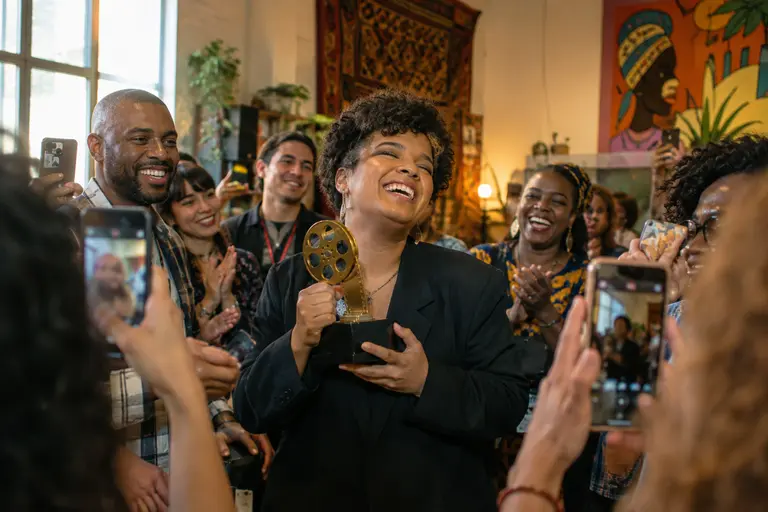
Confirmed: Best Tennessee Feature went to Taylor Dupuis’ Where the Hell Is Anna?, and Best Tennessee Short went to Drew Maynard’s My $3,500 Jacket. Market analysis: regional prizes can help a festival remain accountable to its local film community while still presenting international work. Nashville’s 2026 edition hosted films from around the world, yet its awards record also preserved space for Tennessee-made or Tennessee-linked storytelling.
Opinion: regional awards are not minor side notes. They can help local audiences see their own production culture reflected in a festival that also seeks global reach. That balance is one reason city-based festivals remain culturally relevant even as streaming access gives viewers many other viewing options.
Tennessee Winners And Local Visibility
Confirmed: Where the Hell Is Anna? and My $3,500 Jacket were the Tennessee feature and short winners. Market analysis: naming these prizes separately creates a record of local achievement. It also helps distinguish regional recognition from general festival competition, which can include films from many production contexts.
Reviewed analysis: this kind of recognition should not be mistaken for proof of commercial reach. The supported claim is narrower and still meaningful: the 57th edition gave Tennessee stories a visible place in its awards structure.
Social Awards Without Overclaiming Impact
Confirmed: special awards included the Nashville PBS Human Spirit Award for Stray Embers, the Freedom 250 Award for Buckskin, and the NAHCC Best Hispanic Film award for Oye, We’re From Here Too. Market analysis: these awards show that identity, equity, inspiration, and community narratives were part of the festival’s recognition framework.
Opinion: social and cultural awards can guide audience attention toward films that might be discussed for civic or community meaning, not only for craft. The cautious reading is that the awards identify institutional values at one festival edition. They do not, by themselves, measure audience change or policy impact.
Nashville Film Festival Winners And Indie Recognition
Market analysis: the most useful reading of the 2026 winners is not that one trend dominated. Instead, the record shows several forms of recognition working at the same time. Features, shorts, scripts, Tennessee categories, new-director work, women filmmaker recognition, and social theme awards all appeared in the official results.
Opinion: that mix reflects how independent cinema is valued by festivals in practice. A festival award can help audiences choose what to remember, help filmmakers describe their work, and help critics discuss patterns after screenings have ended. The strongest evidence from the 57th edition is category design: the awards made room for place-based storytelling, short-form ambition, genre writing, and culturally specific recognition without presenting any one of those paths as the only model for independent film success.