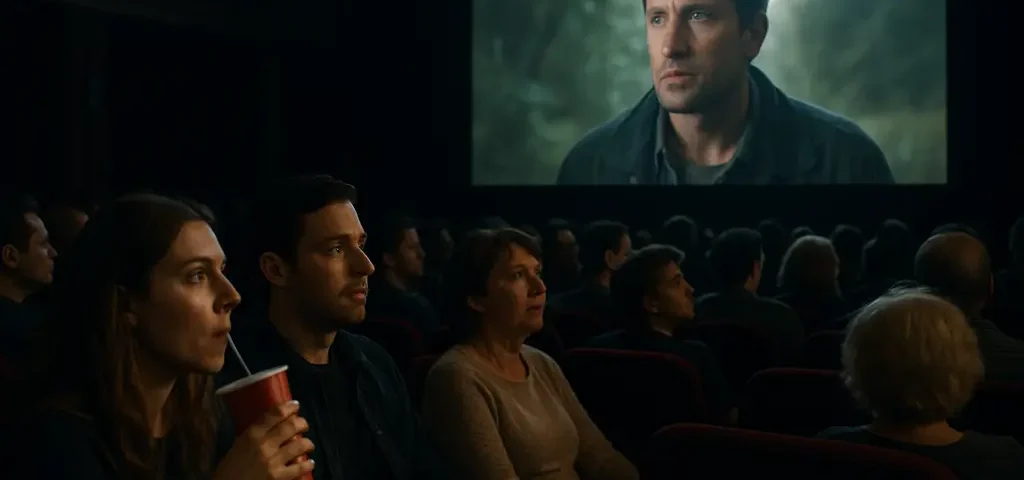
Confirmed: Extended theatrical windows have moved from a narrow exhibition dispute into a central studio strategy issue. Universal Pictures committed to at least five weekends of exclusive theatrical play for its 2026 films before home or streaming release, with seven weekends planned from 2027, according to TheWrap’s Universal report. That shift matters because it links box-office planning, streaming timing, and audience behavior rather than treating cinema as a short promotional stop before home viewing.
Why Extended Theatrical Windows Returned
Extended Theatrical Windows And Audience Habit
Market Analysis: The return of longer exclusivity reflects a cautious industry reading of audience behavior after the pandemic-era compression of release windows. Universal’s earlier 17-day model, set during COVID-19 disruption, gave studios flexibility when theatrical attendance was uncertain and home viewing demand was unusually high. By October 6, 2026, the discussion had changed. The confirmed Universal policy increased the 2026 guarantee to roughly 31 days and set a 2027 target closer to 45 days.
Opinion: The cultural question is not only whether a film earns more money in week four or week six. It is whether audiences believe a theatrical release has enough exclusivity to justify planning a trip, paying for premium formats, and discussing the film with other viewers before it arrives at home. If audiences assume that a title will reach premium video-on-demand almost immediately, the social urgency of cinema weakens. The case for extended theatrical windows is built on reversing that expectation, not just protecting a single weekend of ticket sales.
From Emergency Flexibility To Release Structure
Confirmed: The research record states that Universal’s 2026 change was effective immediately, beginning with Reminders of Him. It also states that Donna Langley, chair of NBCUniversal Entertainment, said on October 1, 2026, that studios were moving toward 45 days to premium VOD and 90 days before subscription streaming availability. Those details place Universal’s decision inside a wider attempt to create release discipline after several years of experimentation.
Market Analysis: The shift does not mean every film will perform the same way in cinemas. A franchise title, an awards-positioned drama, a horror film, and a mid-budget comedy attract audiences through different rhythms. Still, a clearer minimum window gives exhibitors a more stable promise to market. It also gives studios time to read whether word of mouth is building, whether premium screens are still useful, and whether a title is strong enough to hold screens beyond opening weekend.
Studio Strategy And Release Discipline
What Universal’s Policy Signals
Market Analysis: Universal’s position is significant because the studio had been closely associated with a shorter post-pandemic window. Moving from 17 days to at least five weekends in 2026, then to seven weekends in 2027, suggests that short-term flexibility is giving way to a more durable model. Extended theatrical windows are not simply a gift to theater chains; they are a way for studios to separate revenue stages. Theatrical release, premium home rental or purchase, and subscription streaming each need a distinct role if audiences are to treat them as separate forms of access.
Confirmed: The research also states that all major studios publicly reaffirmed at CinemaCon 2026 that they supported exclusive theatrical windows of at least 45 days. That industry position is broad enough to shape audience expectation across studios, not just one release calendar. A related Biff Award analysis of 45-day theatrical windows examined how these norms affect box-office runs, streaming timing, and release planning.
Paramount-Warner Terms Add A Legal Dimension
Confirmed: The September 21, 2026 settlement resolving litigation over the Paramount-Warner Bros merger added another kind of pressure. Under the reported settlement terms, Paramount Skydance must ensure theatrical releases have exclusive windows of no less than 45 days, and streaming services cannot show Paramount-Skydance films until at least 90 days after theatrical release, according to MediaPost’s settlement report.
Confirmed: The same settlement requires at least 30 theatrical films annually in the first two years after merger closure, with wide releases and 45-day windows. In years three to five, the annual production figure rises to 32 films, including 21 wide releases. Those figures should not be read as a guarantee of cultural success or box-office strength. They do show, however, that theatrical output and window length can become formal obligations rather than loose statements of intent.
Market Analysis: This matters for the wider sector because studio promises are often judged release by release. A legal settlement changes the frame. It ties window length to corporate structure, production volume, and public commitments. For exhibitors, that may support calendar planning. For audiences, it may create a clearer pattern: a film that opens in theaters is less likely to appear on subscription streaming almost immediately.
Audience Engagement Beyond First Weekend

The Social Value Of Waiting
Opinion: The audience benefit of a longer window is not only scarcity. It is time. A film often needs more than one weekend to become part of public conversation, especially outside blockbuster categories. Awards titles, adult dramas, family releases, and genre films can gain attention through reviews, local screenings, social recommendation, and repeat viewing. When the home window arrives too quickly, that process can be shortened before a film has found its theatrical audience.
Market Analysis: Extended theatrical windows can give studios and cinemas a better chance to use audience reaction as information. If a release is holding well, the studio may continue to support theatrical visibility. If a title fades quickly, the later home window still exists as a second phase. The key difference is that the cinema run is not preemptively treated as disposable. That matters culturally because theatrical attendance is a habit built through repetition, not a one-time response to a single event film.
Streaming Still Remains Part Of The Model
Reviewed: Longer exclusivity should not be mistaken for a rejection of streaming. The research notes point to a model in which premium VOD and subscription streaming remain planned stages, with the timing pushed later. That sequence can help studios avoid collapsing every audience into the same moment. Some viewers will choose cinemas. Some will wait for paid home access. Some will wait for a subscription service. The strategy is to reduce overlap between those choices.
Market Analysis: For media coverage, that timing also affects how films are discussed. Review cycles, awards positioning, social reaction, and home release campaigns can become separate phases. That gives a title more than one chance to meet audiences. For readers following media-business analysis across related outlets, Sitebob offers another point of reference within the same network.
Extended Theatrical Windows As Cultural Signal
Opinion: Extended theatrical windows now signal a broader claim about film culture: the theatrical release is being treated again as a distinct public event. That does not mean every title needs the same run, or that every audience will return to pre-pandemic viewing patterns. The available evidence supports a narrower reading. Major studios are trying to rebuild a predictable sequence in which theaters receive protected time, premium home access follows, and subscription streaming comes later.
Market Analysis: The strategy carries risk. Longer windows can help successful films continue earning in cinemas, but they can also leave weaker releases waiting for the next revenue stage. Studios will still need to match budgets, marketing spend, and release timing to realistic demand. Exhibitors may welcome longer guarantees, yet audiences will judge each film by perceived value, not by policy alone.
Reviewed: The strongest supported conclusion is that 2026 marked a clear move toward longer theatrical exclusivity among major studios. Universal’s immediate 2026 adjustment, its 2027 plan, the reported CinemaCon alignment around 45 days, and the Paramount-Warner settlement terms all point in the same direction. Recognition in the creative sector often depends on visibility, conversation, and time in public view. By giving films a longer protected run, studios are not only managing revenue; they are giving theatrical releases a better chance to register as shared cultural events before the next platform window begins.