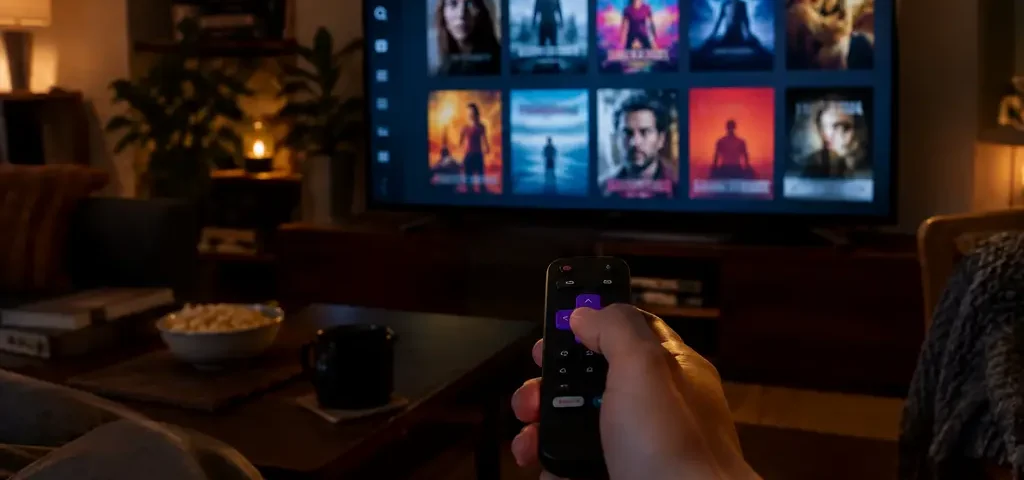
[Confirmed] Roku Subscription Bundles launched on September 17, 2026, for account holders in the United States and Mexico, offering paired subscriptions under one Roku bill with savings advertised at up to 30% compared with separate subscriptions, according to Gadget Hacks’ Cord Cutters report. [Market-analysis] For film access, the move matters less as a simple discount and more as a new sorting mechanism: Roku is not creating every title in these packages, but it is changing how viewers encounter, buy, and manage participating film and TV services.
Confirmed Changes In Roku Subscription Bundles
Confirmed Roku Subscription Bundles Launch Details
[Confirmed] At the U.S. launch, Roku offered about 30 to 32 bundle combinations. The named pairings in the research include HBO Max with Cinemax, Starz with AMC+, Howdy with Hallmark+, and FOX One with Fox Nation. [Confirmed] Roku organized the offer across categories such as Premium, Learn & Discover, Indie & Fan Favorites, Wholesome Picks, and International. [Market-analysis] That category structure is significant for film culture because it places prestige libraries, genre channels, family-facing services, and niche labels inside the same purchasing area rather than leaving each to compete only through its own app storefront.
[Confirmed] The Mexico launch was narrower, with two bundles identified in the research: Filmelier+ with Adrenalina Pura+, and Looke with Booh!. [Market-analysis] The difference between the U.S. and Mexico offers shows that subscription bundling is not a uniform expansion of access. It depends on territory, participating services, licensing arrangements, and which providers have agreed to sell through Roku’s Premium Subscriptions system. For audiences, that means the experience of choice can vary sharply by country even when the bundle program carries the same Roku branding.
Confirmed Billing And Service Management
[Confirmed] The research states that when a user switches from a standalone subscription to a Roku-managed bundle, the standalone subscription is automatically cancelled and replaced by the bundle, so the user is not billed twice for the same participating service. [Confirmed] Downgrades and removing one service from a bundle are also supported through Roku’s billing infrastructure. [Market-analysis] This is one of the program’s clearest access benefits: it reduces the practical friction of managing multiple paid services, a problem that has grown as film catalogs have been split across many apps.
[Confirmed] Bundles are discoverable through Roku’s Subscriptions Destination, Streaming Store, Premium Subscriptions Home, and online channels. [Market-analysis] That placement matters because access in streaming is not only about whether a film exists on a service. It is also about whether a viewer can find the service, understand the offer, and remember where the subscription is managed. Coverage of connected-TV viewing patterns, as highlighted by Internet Video Magazine, often considers interface design a crucial part of media access, and Roku’s bundle system aligns with that perspective: the storefront can shape the path between audience interest and a playable title.
Market Analysis Of Film Discovery
Market Analysis: Bundles As A Discovery Tool
[Market-analysis] The strongest case for Roku’s strategy is not that every viewer will save money. It is that participating services may reach viewers who would not have searched for them separately. [Confirmed] Research firm Antenna, as cited through Roku in the supplied research, estimated that 76% of Roku Premium Subscription sign-ups are incremental and that 98% are new to the specific service included. [Market-analysis] If those estimates hold across the new paired offers, bundling could help smaller or less frequently opened services gain trial exposure beside better-known brands.
[Confirmed] Roku’s own service Howdy launched on August 5, 2025, as an ad-free service priced at $2.99 per month, and it appears in multiple bundle examples, including Howdy with A&E Crime Central and Howdy with Hallmark+, according to The Desk’s Roku bundle coverage. [Market-analysis] This gives Roku a dual position: it acts as a seller of third-party services and as a promoter of its own subscription brand. For film and television licensors, that can widen exposure, but it may also concentrate audience attention inside Roku’s preferred retail paths.
Reviewed Audience Effects
[Reviewed] From an audience standpoint, the appeal is direct: one bill, paired services, and a visible price break when both parts of a bundle are wanted. [Reviewed] The risk is also direct: savings only have value if the viewer uses both services enough to justify the monthly cost. [Confirmed] The research notes that bundles do not currently include annual plans, and that prices and availability can vary by region. [Market-analysis] A viewer who mostly wants one film library could pay more than expected if the second service becomes a low-use add-on rather than a meaningful part of viewing habits.
[Market-analysis] The wider streaming market has been moving toward packaging, partnership, and account consolidation as viewers face subscription fatigue. Biff Award has examined a related shift in streaming bundle strategy, where distribution reach can matter as much as the nominal discount. Roku’s version follows that logic from the device and billing side. It does not merely present a content deal; it folds the purchase into a place where many viewers already search for entertainment.
Confirmed Limits On Content Access

Confirmed Participation Limits
[Confirmed] Roku’s bundles apply only to participating streaming services. [Confirmed] Films and shows that sit on non-participating platforms remain outside the program. [Confirmed] The research also states that some services must offer their subscription through Roku’s Premium Subscription channel to be included; if a service is available only through its own app and billing, it may not be eligible. [Market-analysis] This is the key boundary for film access: bundling can simplify part of the viewing map, but it does not erase the larger fragmentation of rights and platform exclusivity.
[Market-analysis] That boundary matters for independent film and specialty catalogs. A viewer may see an “Indie & Fan Favorites” category and assume a broad cultural gateway, yet the actual offer is defined by commercial participation. [Opinion] The label may help certain services gain visibility, but it should not be read as a neutral index of independent cinema. Some independent films will benefit from being inside a participating service; others will remain tied to different apps, direct rentals, festival platforms, or subscription outlets that are not part of Roku’s bundle menu.
Market Analysis: Access Versus Ownership Of The Viewer Relationship
[Market-analysis] Subscription bundling also shifts part of the viewer relationship from individual services to Roku. Billing, discovery, and service management become centralized. For consumers, that can feel simpler. For services, it may bring sign-ups that would not have arrived through standalone marketing. For filmmakers and rights holders, the effect is less direct but still important: a film licensed to a bundled service may gain a better chance of being sampled if the service becomes easier to add.
[Market-analysis] The trade-off is dependence on platform placement. If discovery happens through Roku’s own store surfaces, then visibility may be shaped by category design, promotional slots, price pairing, and account prompts. [Opinion] For emerging filmmakers, the question is not only whether a distributor places a film on a streaming service. It is whether that service appears in the audience pathways where people make subscription choices. Bundles can raise the value of being in a participating catalog, while leaving non-participating catalogs harder to notice.
Market Analysis: Roku Subscription Bundles And Film Access
Market Analysis: What Changed For Studios And Viewers
[Confirmed] In Q1 2026, Roku’s Premium Subscriptions business had its highest-ever number of sign-ups, and subscription revenue rose 30% year over year to US$518.5 million, according to the supplied research. [Market-analysis] That financial context helps explain why the bundle launch arrived when it did. Roku already had evidence that its subscription channel could convert viewers; pairing services is a way to extend that behavior and make the account hub more central to paid streaming.
[Market-analysis] Roku Subscription Bundles may widen access for viewers who want two services in a pair and prefer centralized billing. They may also help participating film catalogs reach audiences that would not have subscribed through a separate app. Yet the effect is conditional, not universal. The program expands access inside Roku’s participating network while leaving non-participating services outside the package. For film culture, that distinction is essential: a bundle can make some movies easier to reach, but it can also make the boundaries of the bundle feel like the boundaries of availability.
[Opinion] The most useful reading is cautious. Roku has built a stronger retail layer around streaming subscriptions, and that layer may improve discovery for selected services. It does not solve the whole problem of fragmented film access, and it does not guarantee savings for every household. Its cultural impact will depend on which services join, how viewers use both sides of each pair, and whether smaller catalogs gain lasting visibility rather than brief placement beside larger brands.