
Market analysis: theatrical experiences gained renewed audience attention through 2025 and into 2026, but the evidence does not support a simple story in which cinemas replaced streaming. Confirmed data in the supplied research points to stronger theater attendance among younger viewers, more loyalty participation, and higher box office revenue. Confirmed data also shows that admissions had not returned to 2019 levels by August 2, 2026. The cultural shift is best read as a change in how audiences assign value: some films feel more meaningful as shared events, while streaming remains central to later discovery and home viewing.
Why Theatrical Experiences Regained Attention
Theatrical Experiences And Gen Z Behavior
Confirmed: Cinema United reported that Gen Z’s frequency of movie theater attendance rose by 25% year over year in 2025, the largest increase among age groups in the cited report. Their average annual theater visits rose from 4.9 to 6.1. The same December 2025 update said the number of Americans seeing six or more movies per year increased by 8%, and that 77% of Americans aged 12 to 74 saw at least one movie in a theater during the prior 12 months, totaling more than 200 million people. The report also said North American loyalty program enrollments rose by 15% year over year, according to Cinema United’s update.
Market analysis: those figures suggest that theatrical experiences are not being rebuilt only through occasional blockbuster turnout. Repeat attendance matters because it reflects habit, not just one-off interest. Loyalty enrollment also signals that exhibitors are trying to keep moviegoing in the audience’s regular spending pattern. The evidence is strongest for younger viewers, while the supplied research gives less detail about whether older audiences changed behavior at the same pace.
Premium Formats And Social Outings
Confirmed: the research states that, in 2025, theater owners invested in premium large-format screens, immersive sound systems, deluxe seating, and enhanced food and beverage offerings. It also says those factors ranked highly among Gen Z respondents deciding whether to go to theaters. Market analysis: this matters because the cinema proposition has shifted away from access alone. A viewer can access a large amount of filmed entertainment at home; the theater has to offer scale, sound, comfort, and social presence that feel distinct from the living room.
Opinion: for emerging filmmakers and distributors, the lesson is not that every project needs a wide release. It is that audience design now begins earlier. A film with strong sound, visual scale, communal humor, horror tension, or event discussion may gain cultural force from a room full of viewers. A quieter work may still benefit from festivals, limited runs, and community screenings before it reaches streaming. The renewed pull of theatrical experiences is therefore linked to context, not just screen size.
The Box Office Recovery Is Not A Simple Streaming Rejection
Revenue Rose Faster Than Admissions
Confirmed: by August 2, 2026, U.S. domestic box office revenue had reached $6.2 billion, up 15% compared with the same period in 2025. Ticket sales were up 8.1% compared with 2025, but admissions remained 27% below the same point in 2019, according to MarketScreener’s report. Market analysis: this gap is central. Higher revenue can indicate stronger pricing, premium format demand, or a more commercially concentrated slate, but it cannot by itself prove that the audience base has fully recovered.
Market analysis: the phrase “return to theaters” needs care. The numbers show improvement from 2025 to August 2026, not a full return to the pre-pandemic admissions baseline. That distinction matters for studios and independent producers alike. If fewer people buy tickets than in 2019, theatrical success may depend more heavily on motivating specific audiences, creating appointment value, and giving viewers a clear reason to leave home.
Streaming Still Shapes Discovery
Confirmed: the supplied research says that in the first half of 2026, seven of the top 10 most-streamed titles on U.S. subscription streaming services were streaming original films. Confirmed: it also reports that Apple executive Eddy Cue said on June 23, 2026, that theatrical release had not hurt the performance of “F1” on Apple TV and that theatrical and streaming releases were “very complimentary.” Market analysis: these points weaken a strict either-or reading. Streaming originals can dominate platform viewing while theatrical releases still create status, awareness, and later home interest.
Reviewed: Biff Award has also considered platform competition through the Apple TV rise, which fits the same question from the streaming side. The cultural pattern is less about one channel defeating another and more about sequencing. A film can gain identity through theatrical release, then find a larger or different audience after it appears on a platform. That pattern may be especially relevant for films seeking awards attention, press coverage, or word-of-mouth credibility.
Audience Engagement Now Moves Across Windows
Heavy Viewers Are Not Always Home-Only Viewers
Confirmed: the supplied research cites a 2025 cross-platform audience analysis across 12 territories showing that heavy SVOD users attended theatrical screenings 34% more frequently than average consumers. Market analysis: if that relationship holds across more studies, it would complicate the assumption that streaming habit automatically weakens cinema habit. The most engaged screen audiences may be additive viewers, using platforms for volume and theaters for event value. Readers following adjacent entertainment coverage across this network may also find additional insights at Pilot Pointer, a related site offering screen-culture context.
Cultural Value Of Shared Attention
Market analysis: theatrical attendance creates a public signal that streaming metrics often blur. A sold-out screening, a strong opening weekend, or a sustained limited run can show who is motivated enough to gather around a title. That does not make theatrical release inherently superior, but it gives filmmakers, exhibitors, and audiences a visible form of participation. For independent work, that visibility can support festival momentum, local press, and community discussion.
Opinion: streaming remains efficient, intimate, and accessible for many viewers. The renewed appeal of cinemas does not erase cost, travel, schedule, or accessibility barriers. The strongest audience strategy is likely one that respects both habits: use theaters where shared scale adds meaning, and use streaming where reach, convenience, and repeated discovery matter more.
What This Means For Emerging Filmmakers
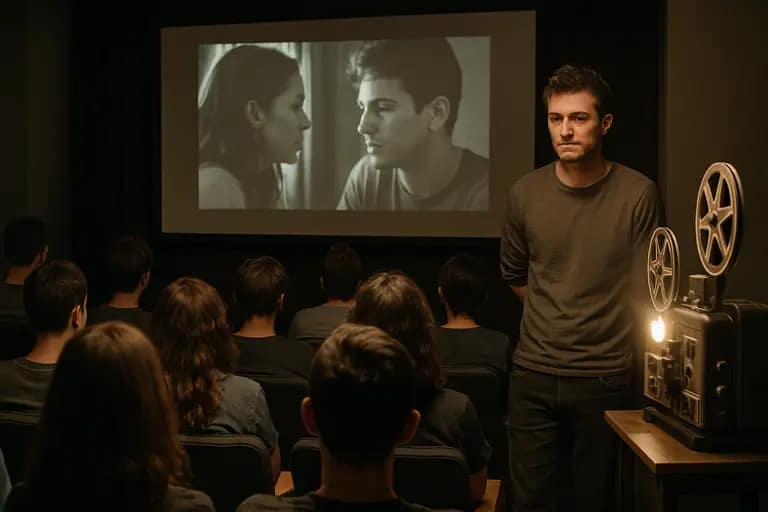
Release Strategy Becomes Part Of The Creative Plan
Market analysis: emerging filmmakers should read these audience shifts as practical information rather than hype. If a project depends on atmosphere, crowd response, or visual scale, a festival premiere or limited theatrical run can be part of its artistic identity. If a project is more episodic, intimate, or niche, streaming or AVOD placement may still be the better path. The research does not prove one universal model; it supports a more selective approach.
Reviewed: the supplied research includes a study of more than 600 films released from January 2021 through March 2026, based on Nielsen data, which found that films released theatrically tended to maintain longer viewing “legs” after reaching streaming than films released directly on streaming. Market analysis: that finding, if tested further, suggests theatrical exposure can act as a memory marker. Viewers may not attend the original run, but the theatrical label can still shape later attention.
- Confirmed: younger audiences showed stronger theater attendance gains in 2025 than other groups in the cited research.
- Market analysis: premium formats appear to support revenue growth, but admissions data still requires caution.
- Opinion: filmmakers should match release plans to the viewing behavior their work is most likely to reward.
The Rise Of Theatrical Experiences
A Measured Reading Of Audience Preference
Market analysis: the rise of theatrical experiences is real in the data supplied, especially among Gen Z and habitual moviegoers, yet it is not a clean reversal of streaming culture. The better reading is a rebalancing. Audiences use streaming for access and volume, while cinemas regain value when the outing itself matters. Confirmed box office gains through August 2, 2026, show momentum; confirmed admissions shortfalls against 2019 show limits. For filmmakers, studios, and exhibitors, the opportunity lies in respecting both truths at once.